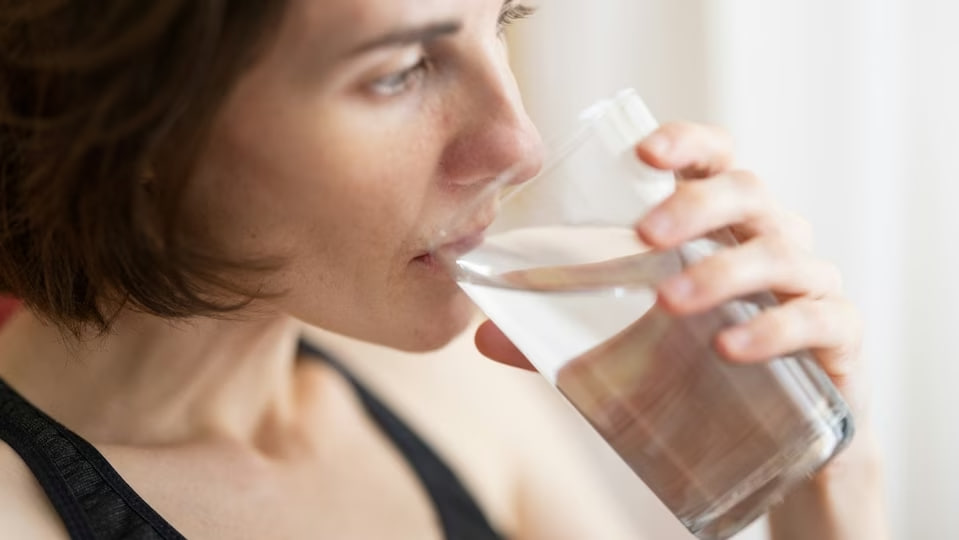
The 3 litre-water rule for glowing skin is generating buzz online. From clear skin to a natural glow, here’s what hydration actually does to your skin.
Celebrities like Kareena Kapoor and many more have said that drinking water gives them a naturally glowing skin, making the trend popular online. In this edition of HT Lifestyle’s ‘Internet Vs Reality’, we spoke to Dr Swetha Sridhar, medical director at Dr Swetha’s Skin Sutra Clinic, to separate fact from fiction and understand whether drinking more water can really give your skin a natural glow.
Does drinking more water actually give you glowing skin?
According to Dr Swetha, drinking adequate water is essential for overall health and helps maintain normal skin function, but the claim that drinking three litres of water every day guarantees glowing skin is a misconception. No single water intake can promise clear, radiant, or blemish-free skin for everyone.
What does hydration do?
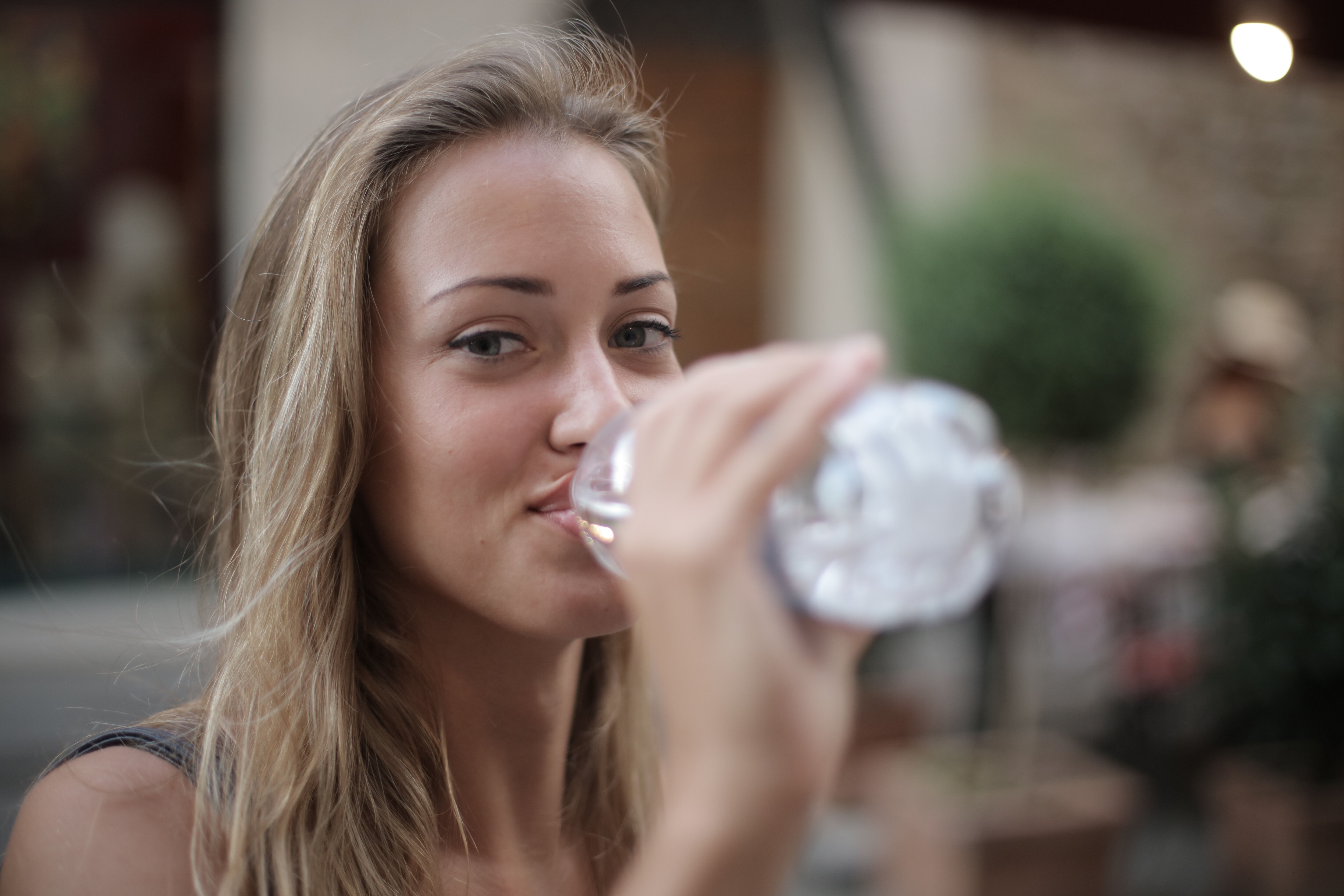
“Hydration supports the skin by helping maintain normal physiological functions and preventing the effects of dehydration,” highlighted Dr Swetha. When the body is dehydrated, the skin may appear dull, feel dry or show more noticeable fine lines associated with reduced hydration. Several studies suggest that increasing water intake, particularly in people who previously consumed insufficient amounts, may modestly improve skin hydration. However, the evidence that drinking additional water directly improves skin elasticity, reduces wrinkles or produces a visible glow in adequately hydrated individuals remains limited.
How much water should one drink?
Dr Swetha highlighted that the amount of water a person needs depends on several factors, including age, body size, physical activity, climate, diet and underlying health conditions. In a hot and humid country like India, people who spend considerable time outdoors or exercise regularly may require more fluids because of increased sweating. Water obtained from food, including fruits and vegetables, also contributes to daily fluid intake. Therefore, three litres should not be treated as a mandatory target for everyone.
It is equally important to understand that skin health is influenced by several factors beyond hydration. Genetics, hormonal changes, sun exposure, sleep quality, stress, nutrition and skincare practices all play a role. Excessive ultraviolet exposure, for instance, contributes significantly to premature ageing, pigmentation and skin damage. Drinking more water cannot reverse these effects or substitute for sun protection.
“For healthier skin, I recommend maintaining adequate hydration according to individual needs, following a balanced diet with sufficient protein, vitamins and healthy fats, getting adequate sleep and using a broad-spectrum sunscreen with SPF 30 or higher,” said Dr Swetha. A gentle cleanser and an appropriate moisturiser can also help maintain the skin barrier. People with persistent dryness, acne, pigmentation or other skin concerns should seek advice from a dermatologist rather than relying on increased water consumption alone.